Helical pier foundations for Southeast Michigan
PierTech piers installed to a verified torque, year-round. For builders and homeowners.
- Licensed MI Residential Builder
- Certified PierTech installer
- ICC-ES ESR-3969
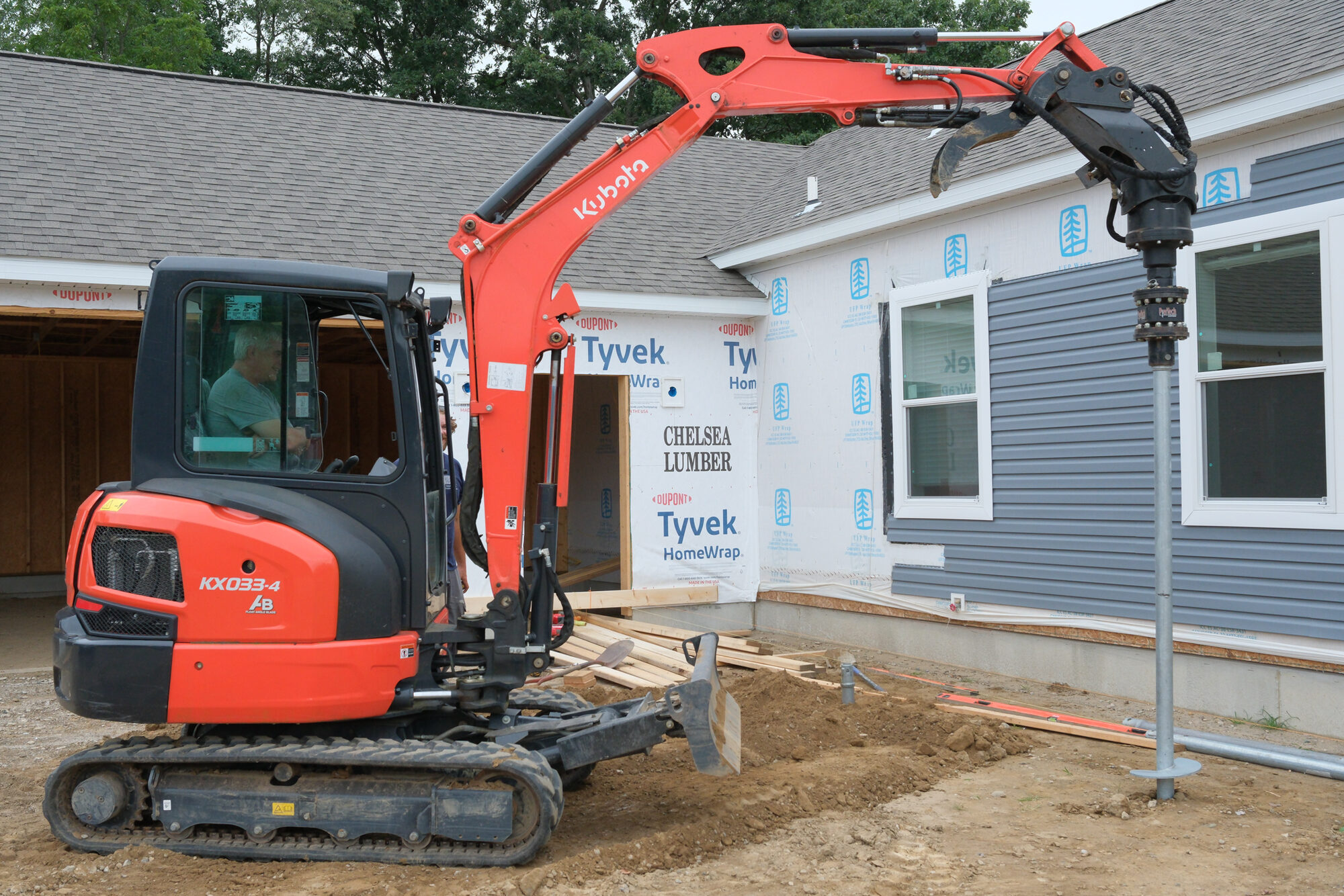
Why helical piers?
A helical pier is a steel shaft that screws into the ground in place of a poured concrete footing.
Install in hours, not days
A deck or porch usually takes a few hours, and there's no concrete to cure before the next step.
Any weather
Installation is possible year-round, even when the ground is frozen or saturated.
No digging
We don't dig a hole, so there's no spoil pile to haul off and no concrete truck on the lawn.
Fits through a gate
A compact machine gets into backyards and between houses, and sets piers inches from an existing wall.
What your framer gets
Cut to height, bracket on
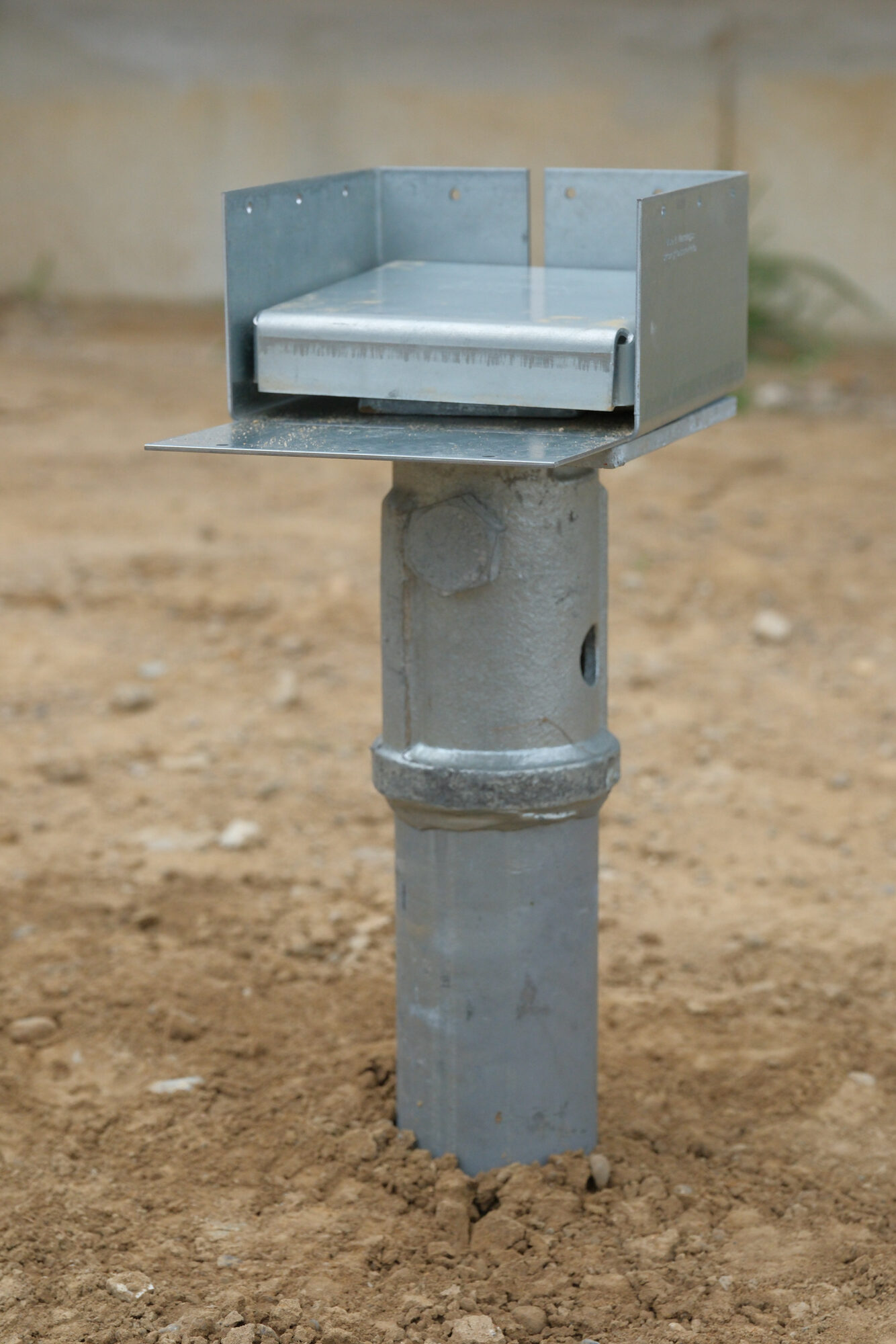
Each pier is trimmed to your layout and capped with a PierTech bracket ready for a beam or post.
Torque-verified capacity
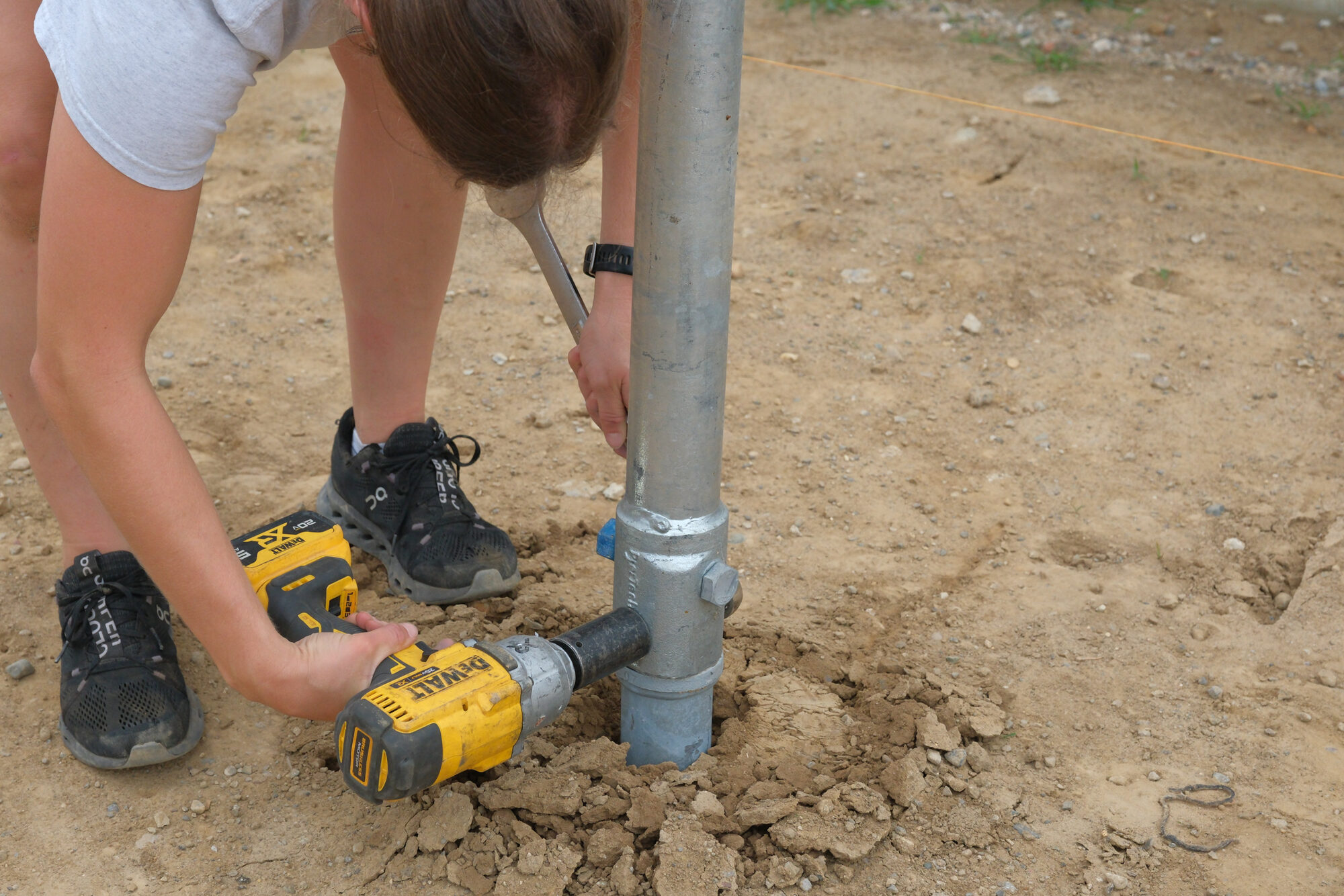
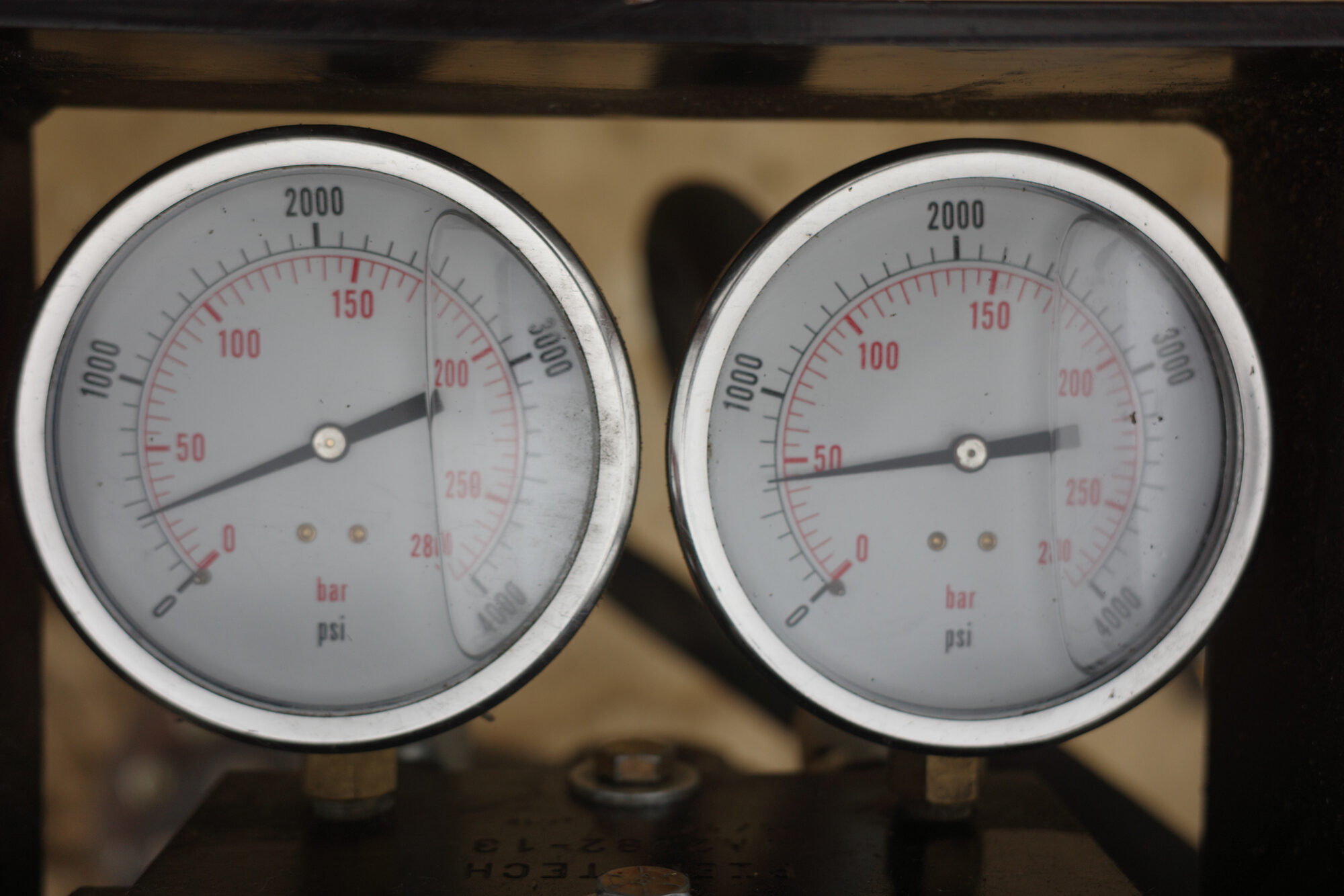
Installation torque is read on every pier, so the load rating is measured, not assumed.
Torque log for the permit file
Every pier's installation torque, recorded for the permit file.
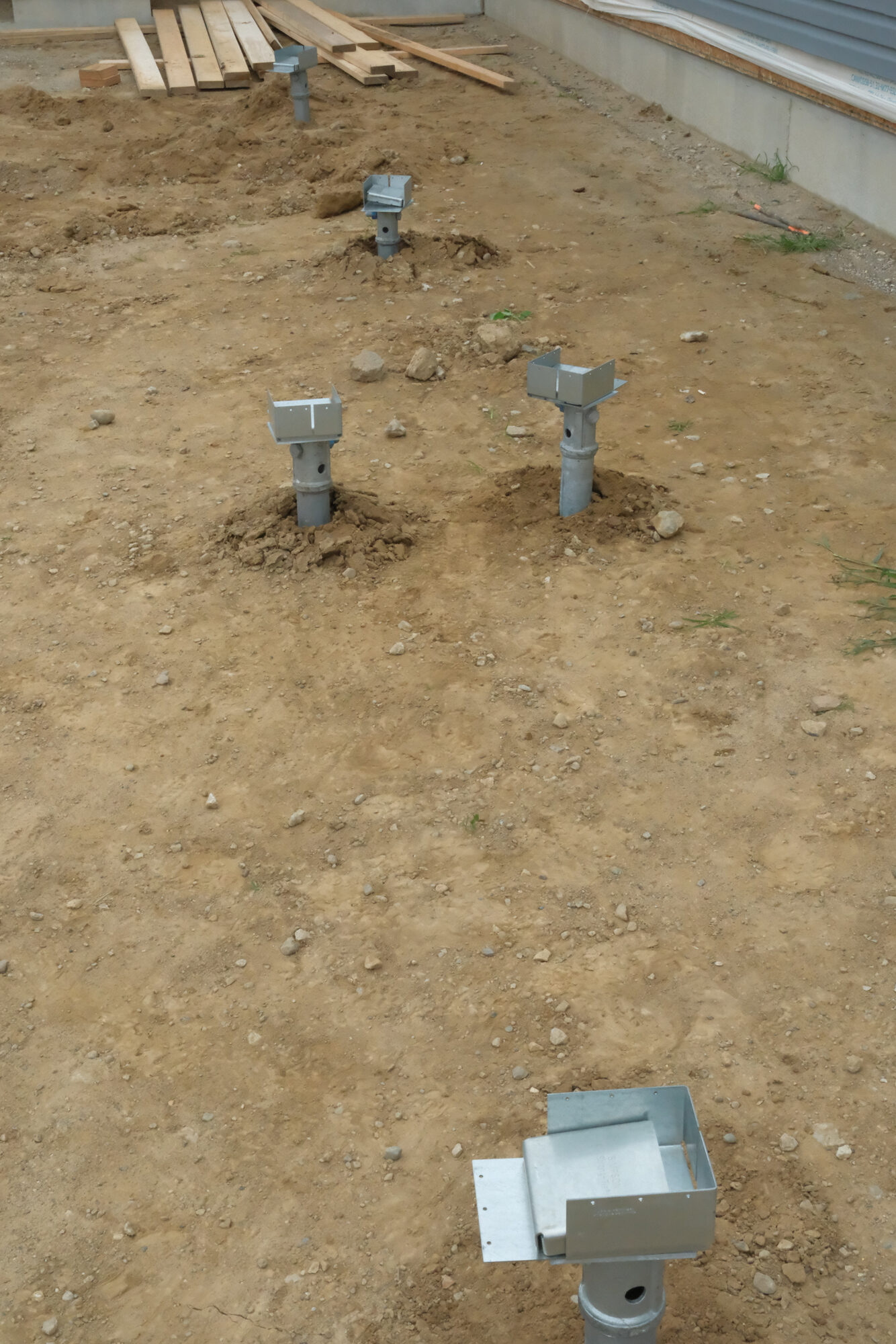
Right up against the house
Two machines, sized to the site
A Toro Dingo narrow-track loader fits through a standard 36-inch gate for backyards and tight side yards. A Kubota mini excavator handles open new-construction sites.
Inches from an existing wall
Piers go in right beside a foundation for additions, porches, and repairs.
Lawn and landscaping stay intact
No excavation, no spoil pile, no concrete truck in the driveway.
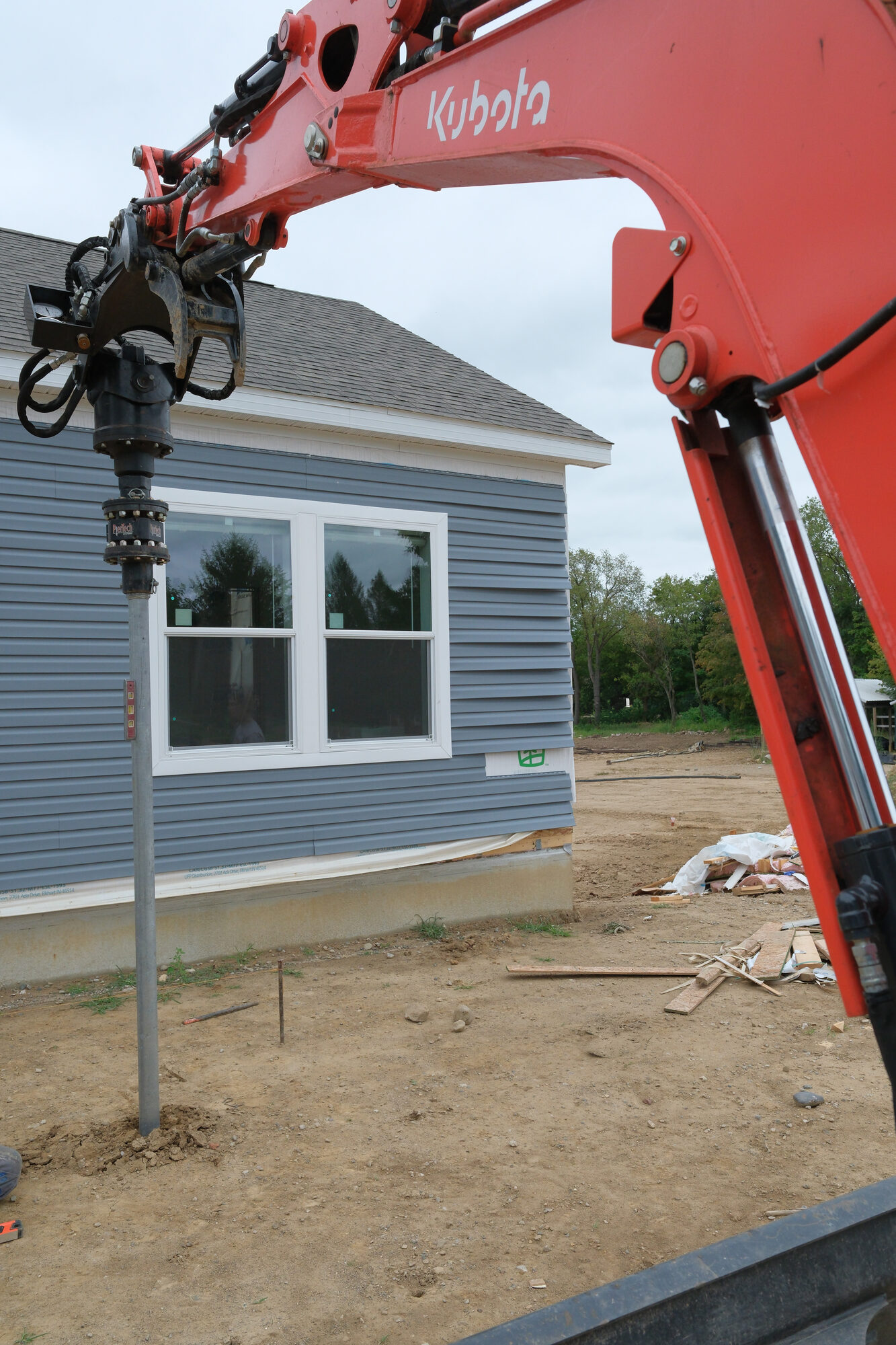
A closer look
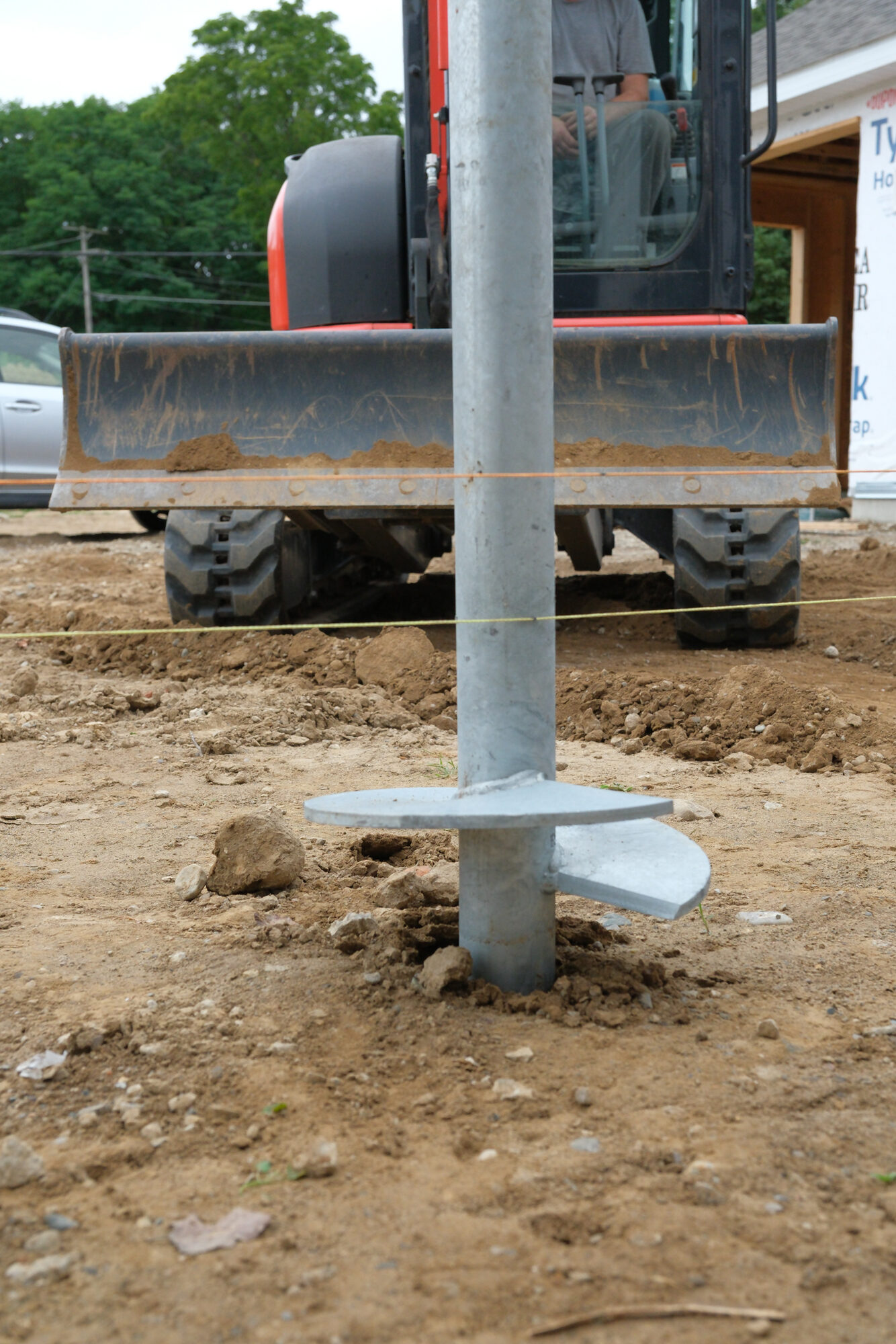
Common questions
How deep do the piers go?
Until the torque reading says the soil can carry the design load, not to a fixed depth. That is always below the 42-inch Michigan frost line. Extensions bolt on as the pier goes deeper.
Will this pass inspection?
Yes. PierTech piers are covered by ICC-ES report ESR-3969. After the install we send a pier report with each pier's location, torque and rated load. Most inspectors sign off without a site visit. If one has questions, we talk to them, and PierTech usually will too.
How long does a typical job take?
A deck or porch is usually done in an afternoon, from unloading to the last bracket. There is no concrete to cure, so framing can start as soon as the footing inspection is done. The torque log goes in the permit file.
Can you work in winter or after heavy rain?
Yes. Frozen or saturated ground does not stop a helical pier, so there is no waiting on the ground the way there is with a concrete footing.
Can you set piers on a lake lot or in wet ground?
Yes. Near a lake, footing holes often fill with water. A helical pier needs no hole and keeps going through wet or loose soil until the torque shows firm ground.
I am building my own deck. Can you just do the piers?
Yes. We set the piers to your layout and you build from there. Send a sketch with the post locations and the address. You also get the pier report for your permit file.
What about clay, sand, or rocky soil?
Clay and sand are ideal. Heavy cobbles or a boulder can deflect a pier, and we will tell you on site if we hit one and what the options are. Torque tells us what the soil is doing on every pier, so there is no guessing about capacity.
What do you need from a builder?
A layout with pier locations and design loads, marked utilities, and a path for the machine. We handle the rest, including talking to the inspector if they have questions.
How do I get an estimate?
Call or text with a sketch and the address, or use the contact form, and we will get you an estimate. The final price depends on the soil at your site.
Owner-operated
John Maguire is on every job.
- Code report
- ICC-ES ESR-3969 covers the pier, the new-construction bracket and the Tru-Lift underpinning bracket; attach it to your permit
- Installer
- Certified PierTech installer (installation, load calculation and torque verification)
- Piers
- PierTech steel piers, installed to a verified torque, with the log for your permit file
- Call or text
- 734-216-5203
Where we work
Washtenaw, Jackson, Livingston, Oakland and Wayne counties, including:
- Ann Arbor
- Ypsilanti
- Saline
- Dexter
- Chelsea
- Scio Township
- Pittsfield Township
- Superior Township
- Brighton
- Pinckney
- South Lyon
- Plymouth
- Livonia
- Belleville
- Southfield
- Royal Oak
- Commerce Township
- Pontiac
Not on the list? Call 734-216-5203 and ask.
Send a sketch, get an estimate.
Call or text 734-216-5203 with the address and a plan, and we'll get you an estimate. The final price depends on the soil at your site.